
04/10/2024
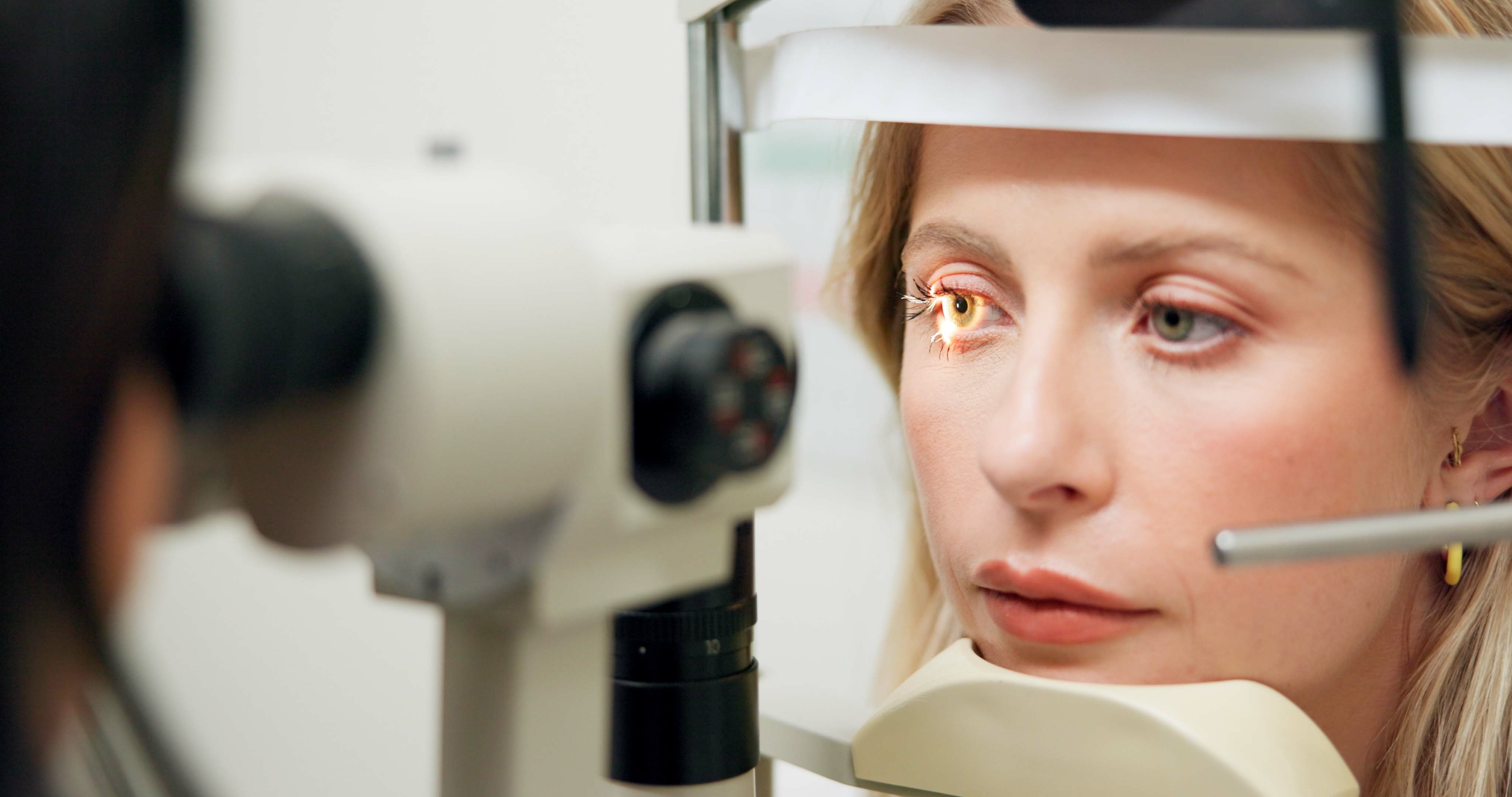
Protecting eye health has become increasingly important in today's technology-driven world, as close proximity to digital screens such as computers and tablets poses significant risks. Assist. Prof. Elvan Yalçın from Istinye University's Department of Ophthalmology explained key considerations for maintaining eye health, stating.
Problems May Arise as the Time Spent in Front of Screens Increases
Yalçın highlighted the factors that negatively impact eye health:
"One of the primary threats to eye health is the use of close digital screens, including computers and tablets. In our modern age, avoiding these screens is challenging; we rely on them for work, reading, and socializing. Extended screen time can lead to various issues, including allergies, dryness, inflammation of eyelash follicles, eye strain, and muscle weakness. For younger individuals, it can contribute to the development of refractive errors or exacerbate existing ones. Long-term sun exposure can also damage the eyes. Dryness, the progression of a fleshy growth known as pterygium towards the front of the eye, and potential allergies, cataracts, and vision problems may result from neglect. Chlorine, commonly used in swimming pools, can trigger allergic reactions. Irregular eating habits and vitamin deficiencies, particularly in vitamins A and B2, can lead to vision problems. Rubbing the eyes vigorously may damage the transparent corneal tissue, causing vision loss. Additionally, improper hygienic practices with contact lenses can lead to corneal abscesses and vision impairment."
Under No Circumstances Should We Scratch Our Eyes
Yalçın provided guidelines for protecting eye health:
"There are important considerations for using digital devices, particularly for young children. For instance, screen use should be prohibited for children under the age of three."
Screen Time Guidelines for Children
For children up to 5 years old, screen time should be limited to 30 minutes. From ages 5 to 7, the recommended duration increases to 45 minutes, while children aged 7 to 9 can use screens for one hour. For those aged 9 to 18, the limit extends to two hours. The 20-5-20 rule is also essential when using a computer: after 20 minutes of screen time, take a 5-minute break before returning to the screen for another 20 minutes.
It is crucial to protect yourself from the harmful effects of the sun by wearing hats and sunglasses, especially during peak sun hours. When swimming, using pool goggles is advisable, and rinsing your eyes with artificial tears afterward can help. Allergic reactions can cause itching in the eyes; however, scratching should be avoided at all costs. In such cases, consulting a doctor and using appropriate medications is recommended.
Nutrition and Eye Health
Foods play a significant role in maintaining eye health. Assist. Prof. Yalçın emphasizes that foods rich in vitamins A and B2 are particularly beneficial. Such foods include cheese, almonds, red meat, oily fish, boiled eggs, mushrooms, sesame seeds, green leafy vegetables, pumpkin, broccoli, carrots, spinach, collard greens, dandelion greens, red peppers, cabbage, parsley, chard, Brussels sprouts, sweet potatoes, oranges, and other yellow fruits.
The Importance of Sunglasses
Yalçın stresses the importance of wearing sunglasses, especially when the sun's rays are strong. When selecting sunglasses, it is vital to choose lenses that filter harmful UVA and UVB rays. Dark lenses without these filtering properties can be detrimental, as they cause the pupil to dilate, allowing more harmful rays to enter the eye and potentially damage the retina. Therefore, it is essential to verify the protective qualities of the lenses before assessing their tint.